
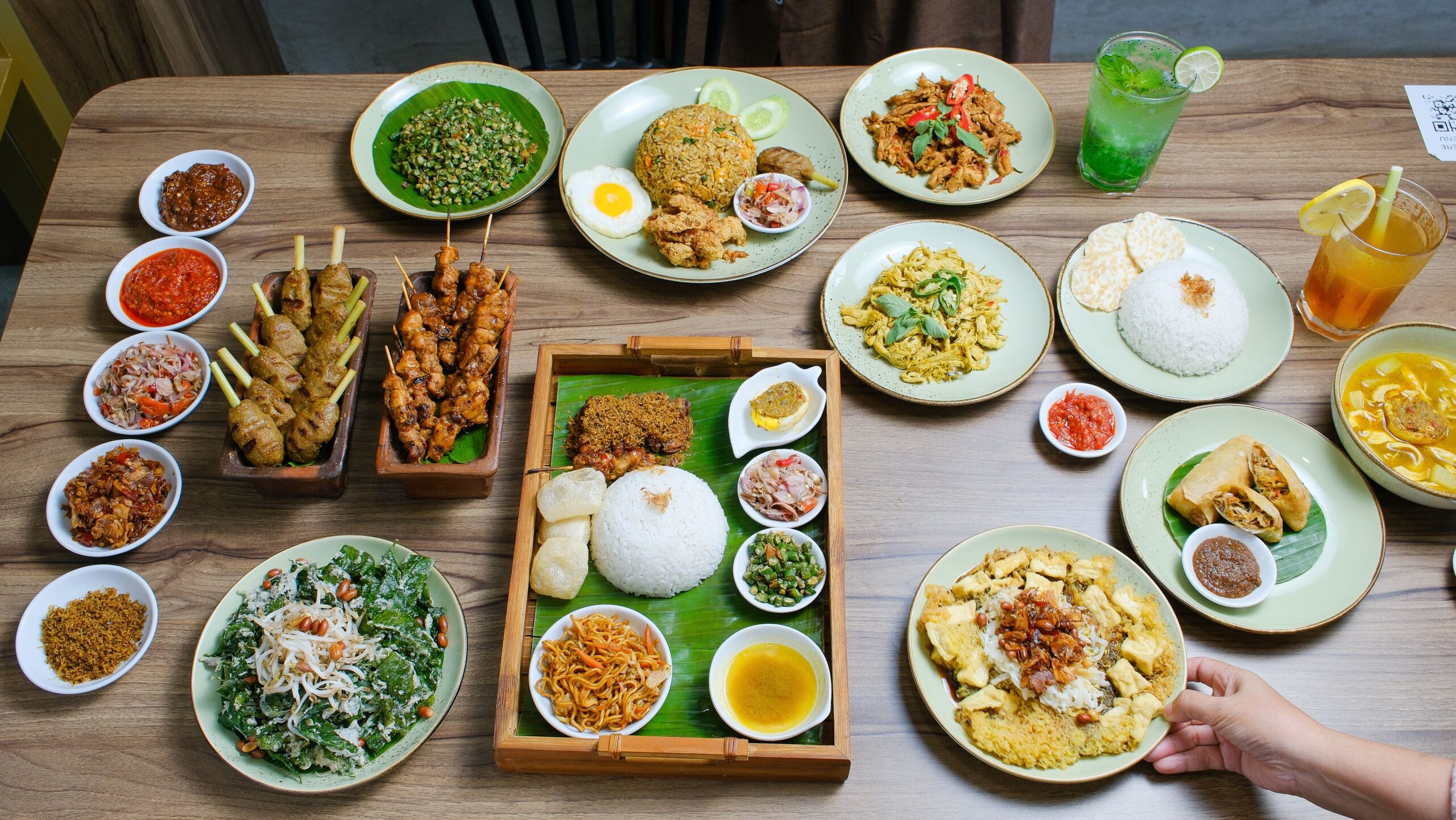
Food is much more than a source of nourishment; it is a reflection of history, identity, traditions, and values. Across the world, every culture has developed unique dishes that tell stories of its people, geography, and heritage. Traditional foods often carry generations of knowledge, preserving customs and bringing communities together during celebrations, festivals, and everyday life. From aromatic spices in Asia to hearty stews in Europe and flavorful street foods in Latin America, traditional dishes serve as cultural ambassadors that connect people to their roots.
In today’s globalized world, many cuisines have crossed borders and gained international popularity. However, the cultural significance behind these dishes remains deeply rooted in the communities that created them. Exploring traditional foods offers a fascinating way to understand the diverse cultures that make up our world.
The Importance of Traditional Cuisine
Traditional cuisine is an essential part of cultural identity. Recipes are often passed down through generations, preserving family traditions and regional flavors. These dishes reflect local ingredients, historical influences, climate conditions, and social customs.
Traditional foods play a significant role in:
- Preserving cultural heritage
- Strengthening family and community bonds
- Celebrating religious and national events
- Showcasing regional agricultural products
- Passing knowledge from one generation to another
Each traditional dish tells a unique story about the people who created it and the environment in which it evolved.
Italy: Pasta and Pizza
Italy is famous for its rich culinary traditions, and few dishes represent Italian culture better than pasta and pizza. These foods have become global favorites while remaining deeply connected to Italian heritage.
Pasta
Pasta comes in hundreds of shapes and varieties, each associated with specific regions of Italy. Traditional pasta dishes such as Spaghetti Carbonara, Lasagna, and Fettuccine Alfredo highlight Italy’s emphasis on simple, high-quality ingredients.
Pizza
Originating in Naples, traditional pizza features a thin crust topped with fresh tomatoes, mozzarella cheese, olive oil, and basil. Pizza represents the Italian approach to combining simple ingredients into a delicious and satisfying meal.
Italian cuisine emphasizes freshness, balance, and family gatherings, making these dishes cultural symbols recognized around the world.
Japan: Sushi
Sushi is one of Japan’s most iconic traditional foods and reflects the country’s dedication to precision, presentation, and quality ingredients.
Traditional sushi consists of vinegared rice paired with seafood, vegetables, or other ingredients. Popular varieties include:
- Nigiri
- Maki rolls
- Sashimi
- Temaki
Japanese culinary traditions focus on seasonality, aesthetics, and harmony of flavors. Sushi exemplifies these principles while showcasing Japan’s long relationship with the sea.
Beyond its taste, sushi reflects Japanese values such as attention to detail, discipline, and respect for ingredients.
India: Biryani
India’s diverse culture is reflected in its rich and varied cuisine. Among its most beloved traditional dishes is biryani, a flavorful rice dish layered with meat, vegetables, spices, and herbs.
Different regions of India have developed unique styles of biryani, including:
- Hyderabadi Biryani
- Lucknowi Biryani
- Kolkata Biryani
- Malabar Biryani
Biryani demonstrates India’s mastery of spices and complex flavor combinations. It is often served during festivals, weddings, and family celebrations, making it a dish closely tied to cultural traditions.
The preparation of biryani requires patience and skill, reflecting the importance of culinary craftsmanship in Indian culture.
Mexico: Tacos
Mexican cuisine is known for its bold flavors, vibrant ingredients, and deep cultural significance. Tacos are among the country’s most recognizable traditional dishes.
A traditional taco consists of a tortilla filled with ingredients such as:
- Beef
- Chicken
- Pork
- Seafood
- Beans
- Vegetables
Tacos are highly versatile and vary from region to region. Street vendors throughout Mexico serve countless taco varieties that reflect local ingredients and traditions.
This beloved dish highlights Mexico’s rich agricultural heritage, including corn, beans, chili peppers, and fresh produce.
China: Peking Duck
China’s culinary traditions span thousands of years and vary greatly across regions. One of the country’s most famous traditional dishes is Peking Duck.
Originating in Beijing, this dish is known for:
- Crispy skin
- Tender meat
- Thin pancakes
- Hoisin sauce
- Fresh vegetables
Peking Duck represents the sophistication and artistry of Chinese cooking. Its preparation requires careful techniques that have been refined over centuries.
The dish is often served during special occasions and formal gatherings, reflecting its cultural prestige.
France: Coq au Vin
French cuisine is celebrated worldwide for its elegance and culinary excellence. Coq au Vin is a traditional French dish that exemplifies the country’s cooking traditions.
The dish consists of chicken slowly braised in wine along with:
- Mushrooms
- Onions
- Garlic
- Herbs
Coq au Vin reflects France’s emphasis on technique, flavor development, and regional ingredients. It demonstrates how simple ingredients can be transformed into a sophisticated and memorable meal.
French cuisine continues to influence culinary practices around the world through dishes like this one.
Thailand: Pad Thai
Thailand’s vibrant food culture is represented by Pad Thai, a dish that combines sweet, sour, salty, and savory flavors in perfect harmony.
Traditional Pad Thai typically includes:
- Rice noodles
- Shrimp or chicken
- Eggs
- Bean sprouts
- Peanuts
- Tamarind sauce
This dish showcases the balance of flavors that defines Thai cuisine. It is widely enjoyed both in Thailand and internationally.
Pad Thai also reflects Thailand’s street food culture, where freshly prepared meals are an important part of daily life.
Morocco: Tagine
Moroccan cuisine is known for its aromatic spices and slow-cooking techniques. Tagine is one of the country’s most traditional and culturally significant dishes.
Cooked in a distinctive clay pot also called a tagine, the dish often includes:
- Lamb
- Chicken
- Vegetables
- Dried fruits
- Spices
The slow-cooking process allows flavors to develop fully, creating a rich and satisfying meal.
Tagine reflects Morocco’s history as a crossroads of trade, incorporating influences from Africa, the Middle East, and the Mediterranean.
Greece: Moussaka
Greek cuisine emphasizes fresh ingredients, olive oil, herbs, and vegetables. Moussaka is one of Greece’s most famous traditional dishes.
This layered casserole typically contains:
- Eggplant
- Ground meat
- Tomato sauce
- Béchamel sauce
Moussaka reflects the Mediterranean diet and the cultural importance of communal dining in Greece.
It is commonly prepared for family gatherings and special occasions, highlighting the social role of food in Greek culture.
South Korea: Kimchi
Kimchi is a cornerstone of Korean cuisine and culture. This fermented vegetable dish, usually made with napa cabbage and radishes, has been part of Korean culinary traditions for centuries.
Kimchi is known for:
- Spicy flavor
- Fermentation process
- Nutritional benefits
- Cultural significance
In South Korea, kimchi accompanies most meals and symbolizes community cooperation through the traditional practice of kimjang, where families prepare large batches together for winter.
The dish reflects Korean values of preservation, family collaboration, and respect for tradition.
Ethiopia: Injera
Injera is a staple food in Ethiopian cuisine and serves as both bread and eating utensil.
Made from teff flour, injera has a unique spongy texture and slightly sour taste. It is typically served with various stews known as wats.
Eating from a shared platter is a common Ethiopian tradition that emphasizes:
- Hospitality
- Community
- Family unity
Injera plays a central role in Ethiopian social and cultural life.
The Role of Traditional Foods in Celebrations
Traditional dishes often take center stage during cultural celebrations and holidays. Special foods help mark important events and preserve cultural identity.
Examples include:
- Thanksgiving turkey in the United States
- Mooncakes during the Mid-Autumn Festival in China
- Panettone during Christmas in Italy
- Biryani at South Asian weddings
- Tamales during Mexican holidays
These foods carry emotional significance and connect individuals to their heritage.
How Globalization Has Influenced Traditional Cuisine
Globalization has made traditional foods more accessible than ever before. Restaurants, social media, and international travel have introduced people to cuisines from every corner of the world.
While globalization offers opportunities for cultural exchange, it also presents challenges. Traditional recipes may be modified to suit local tastes, potentially changing their original character.
Despite these changes, many communities continue to preserve authentic cooking methods and pass traditional recipes to future generations.
Preserving Culinary Heritage
Protecting traditional cuisine is an important aspect of preserving cultural heritage. Efforts to maintain culinary traditions include:
- Documenting family recipes
- Teaching cooking skills to younger generations
- Supporting local food producers
- Promoting cultural festivals
- Encouraging traditional farming practices
These efforts ensure that future generations can continue to experience and appreciate their cultural roots through food.
Conclusion
Traditional dishes are powerful expressions of culture, history, and identity. They tell stories of migration, agriculture, trade, family traditions, and community values. From Italy’s pasta and Japan’s sushi to India’s biryani and Ethiopia’s injera, each dish offers a unique window into the culture that created it.
As people continue to explore cuisines from around the world, traditional foods serve as bridges that connect diverse communities and foster cultural understanding. By appreciating and preserving these culinary treasures, we celebrate the rich diversity that makes our world so fascinating.
Food has the remarkable ability to bring people together, and traditional dishes remain among the most meaningful ways cultures share their stories with the world. Through every recipe, flavor, and cooking tradition, these dishes continue to define and preserve the identities of countless communities across generations
