
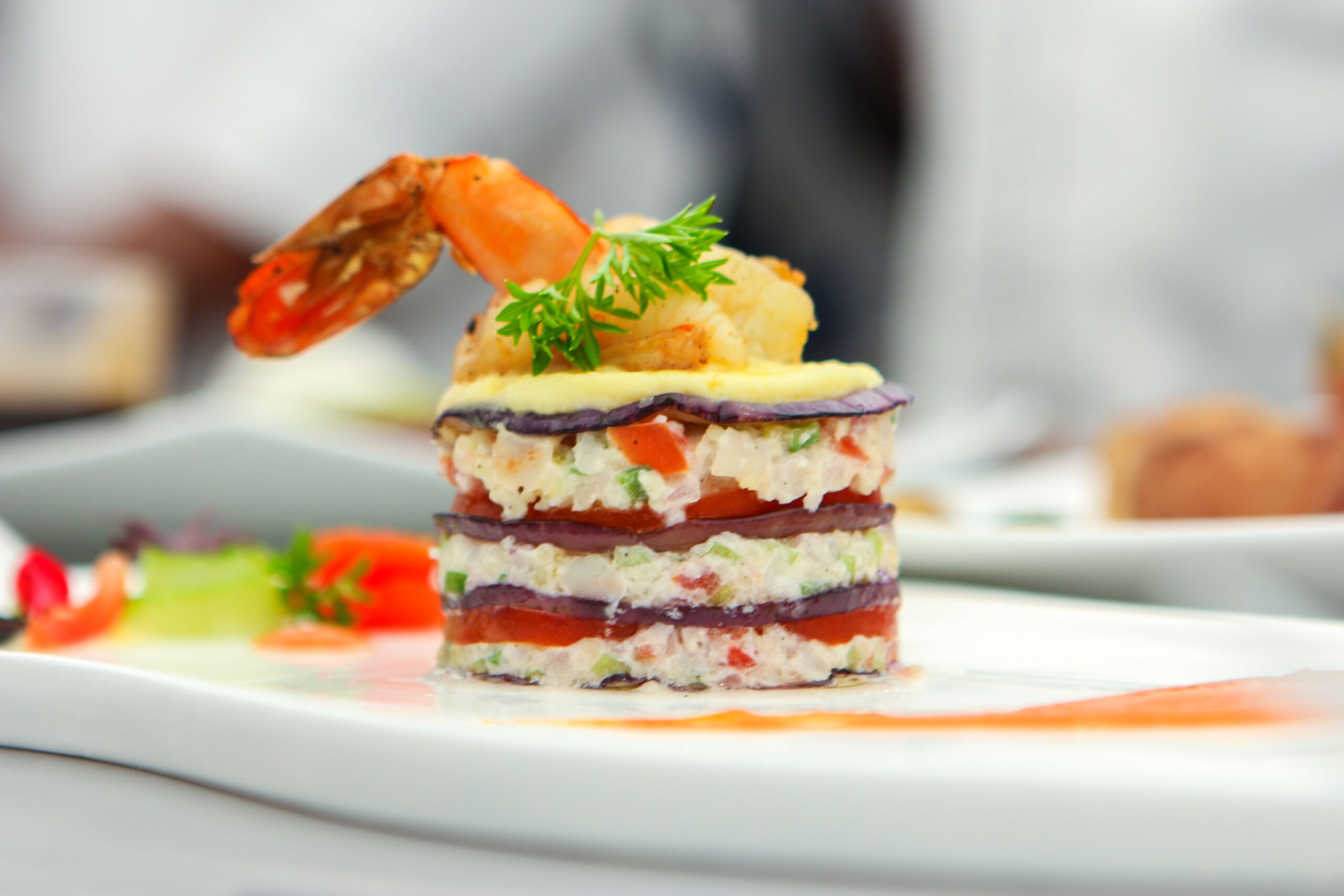
Food is more than just nourishment—it is an experience that engages all the senses. Before a single bite is taken, the appearance of a dish creates the first impression. This is why food presentation plays a crucial role in cooking, whether you are a professional chef, a food blogger, a restaurant owner, or a home cook. A beautifully presented meal can make simple ingredients look extraordinary, increase appetite, and enhance the overall dining experience.
The art of food presentation combines creativity, balance, color, texture, and attention to detail. While taste remains the most important aspect of any dish, presentation can elevate a meal from ordinary to memorable. In today’s visually driven world, where food photography and social media have become part of everyday life, mastering food presentation has become more important than ever.
In this article, we will explore the importance of food presentation and share practical tips and tricks that can help you create visually stunning dishes that impress your guests and make every meal feel special.
Why Food Presentation Matters
Food presentation is often described as the visual appeal of a dish. The way food is arranged on a plate influences how people perceive its taste and quality. Studies have shown that diners often judge food before tasting it, and attractive presentation can make a meal seem more flavorful and enjoyable.
Some key benefits of good food presentation include:
- Enhances the dining experience
- Creates a positive first impression
- Increases appetite
- Demonstrates professionalism and attention to detail
- Makes food more appealing in photographs
- Adds value to restaurant and catering services
Whether serving a family dinner or preparing food for a special occasion, presentation can transform a simple meal into a work of art.
Start with the Right Plate
The plate serves as the canvas for your culinary creation. Choosing the right plate is one of the most important aspects of food presentation.
Consider Plate Size
Avoid overcrowding the plate. A plate that is too small can make food appear messy, while a plate that is too large may make portions look inadequate. Choose a size that allows the food to stand out while leaving some empty space.
Use Neutral Colors
White plates are popular because they create contrast and allow the colors of the food to shine. Black, gray, and earth-toned plates can also add sophistication to certain dishes.
Match the Style of the Dish
The shape and design of the plate should complement the type of food being served. Modern dishes often look best on minimalist plates, while rustic meals may pair well with handmade ceramic dishes.
Focus on Color Contrast
Color is one of the first things people notice about food. A colorful plate appears more vibrant and appetizing.
Use Natural Ingredients
Incorporate ingredients with different colors such as:
- Green herbs and vegetables
- Red tomatoes and peppers
- Orange carrots
- Purple cabbage
- Yellow corn
- White sauces and cheeses
The contrast between colors helps create visual interest and balance.
Avoid Monochromatic Dishes
A plate that consists entirely of one color can appear dull. Adding colorful garnishes or side dishes can instantly improve its appearance.
Create Balance on the Plate
A well-balanced plate looks organized and visually appealing.
Follow the Rule of Thirds
Imagine dividing the plate into three sections. Position the main ingredient slightly off-center and arrange side dishes around it. This creates a more natural and attractive composition.
Avoid Symmetry
Perfect symmetry can sometimes make a plate look rigid. Slightly asymmetrical arrangements often appear more artistic and dynamic.
Keep Portions Proportional
Ensure that proteins, vegetables, and starches are balanced in size and placement. One component should not overpower the others visually.
Pay Attention to Texture
Texture adds depth and interest to food presentation. Combining different textures makes a dish more appealing both visually and physically.
Examples include:
- Crispy vegetables with creamy sauces
- Crunchy nuts on soft desserts
- Toasted breadcrumbs on pasta
- Grilled meats with smooth purees
A variety of textures creates contrast and enhances the overall experience.
Master the Art of Garnishing
Garnishes can elevate a dish when used correctly. However, they should always complement the meal rather than distract from it.
Use Edible Garnishes
Choose garnishes that contribute flavor and texture, such as:
- Fresh herbs
- Lemon wedges
- Microgreens
- Edible flowers
- Citrus zest
- Toasted seeds
Avoid Over-Garnishing
Too many decorative elements can make a plate look cluttered. Simplicity often creates a stronger visual impact.
Utilize Height and Dimension
Flat plates can sometimes look uninspiring. Adding height creates visual interest and makes dishes appear more sophisticated.
Layer Ingredients
Instead of spreading ingredients across the plate, stack or layer certain elements to create dimension.
Examples include:
- Placing vegetables beneath grilled meat
- Stacking pancakes with fruit toppings
- Layering desserts in glasses
Use Vertical Elements
Items such as breadsticks, herbs, or vegetable crisps can add height and elegance to a dish.
Perfect Sauce Placement
Sauces are an excellent way to enhance both flavor and presentation.
Drizzle with Precision
Use a spoon, squeeze bottle, or piping bag to create clean lines and decorative patterns.
Avoid Excess Sauce
Too much sauce can overwhelm the plate and hide the food. Use enough to complement the dish without creating a messy appearance.
Experiment with Artistic Designs
Professional chefs often use brush strokes, dots, swirls, and geometric patterns to add artistic flair.
Keep the Plate Clean
One of the simplest yet most important presentation techniques is maintaining a clean plate.
Before serving:
- Wipe away spills and drips
- Remove fingerprints from plate edges
- Ensure sauces are neatly applied
A clean presentation reflects professionalism and attention to detail.
Consider Portion Size
Proper portioning affects both appearance and dining satisfaction.
Avoid Overloading
Large portions can make a plate appear crowded and unattractive.
Leave Negative Space
Empty space around food creates contrast and draws attention to the main elements of the dish.
Many fine-dining restaurants intentionally leave portions of the plate empty to create elegance and focus.
Use Fresh Ingredients
Fresh ingredients naturally look more appealing than wilted or overcooked foods.
To maintain freshness:
- Prepare garnishes just before serving
- Store herbs properly
- Avoid overcooking vegetables
- Serve dishes promptly
Bright colors and fresh textures instantly improve presentation quality.
Learn Basic Food Styling Techniques
Food styling is a specialized skill used in photography, advertising, and restaurants.
Some useful techniques include:
Highlight the Main Ingredient
Make the star ingredient the focal point of the plate.
Arrange with Purpose
Every element should have a reason for being where it is. Random placement often creates visual confusion.
Use Odd Numbers
Food stylists often arrange ingredients in groups of three or five because odd numbers tend to look more natural and aesthetically pleasing.
Presentation Tips for Specific Foods
Salads
- Use a variety of colorful vegetables.
- Build height rather than laying everything flat.
- Add toppings strategically.
Pasta
- Twirl pasta into neat portions.
- Garnish with fresh herbs and grated cheese.
- Avoid drowning the pasta in sauce.
Desserts
- Dust plates lightly with cocoa or powdered sugar.
- Add fruit for color contrast.
- Use decorative sauce patterns.
Burgers and Sandwiches
- Stack ingredients neatly.
- Secure layers with skewers if needed.
- Serve with attractive side dishes.
Food Presentation for Social Media
With platforms like Instagram, Pinterest, and TikTok influencing food culture, presentation has become more important than ever.
To create photo-worthy dishes:
- Use natural lighting
- Focus on vibrant colors
- Keep backgrounds simple
- Highlight textures
- Experiment with different angles
Good presentation not only enhances dining experiences but also improves the visual appeal of food photography.
Common Food Presentation Mistakes
Avoid these common errors:
Overcrowding the Plate
Too much food creates visual chaos and reduces elegance.
Excessive Garnishes
Decorations should enhance, not overwhelm.
Lack of Color Variety
Monotone dishes often appear less appetizing.
Poor Plate Selection
The wrong plate can diminish the visual impact of even the best-prepared meal.
Ignoring Cleanliness
Smudges and spills can ruin an otherwise beautiful presentation.
The Psychology Behind Food Presentation
Food presentation affects how people perceive flavor. Research suggests that visually appealing dishes are often rated as tasting better than identical foods presented poorly. Attractive presentation creates positive expectations and increases enjoyment.
Color, symmetry, arrangement, and texture all influence how the brain interprets food before it is even tasted. This psychological effect explains why professional chefs dedicate significant attention to plating and visual design.
Conclusion
The art of food presentation is a skill that combines creativity, technique, and attention to detail. While flavor remains the heart of every dish, presentation serves as the introduction that captures attention and creates anticipation. A beautifully presented meal can elevate ordinary ingredients into an unforgettable dining experience.
By choosing the right plates, balancing colors, incorporating textures, using garnishes wisely, and maintaining cleanliness, anyone can improve their food presentation skills. Whether you are cooking for family, entertaining guests, running a restaurant, or sharing meals on social media, thoughtful presentation can make a lasting impression.
