
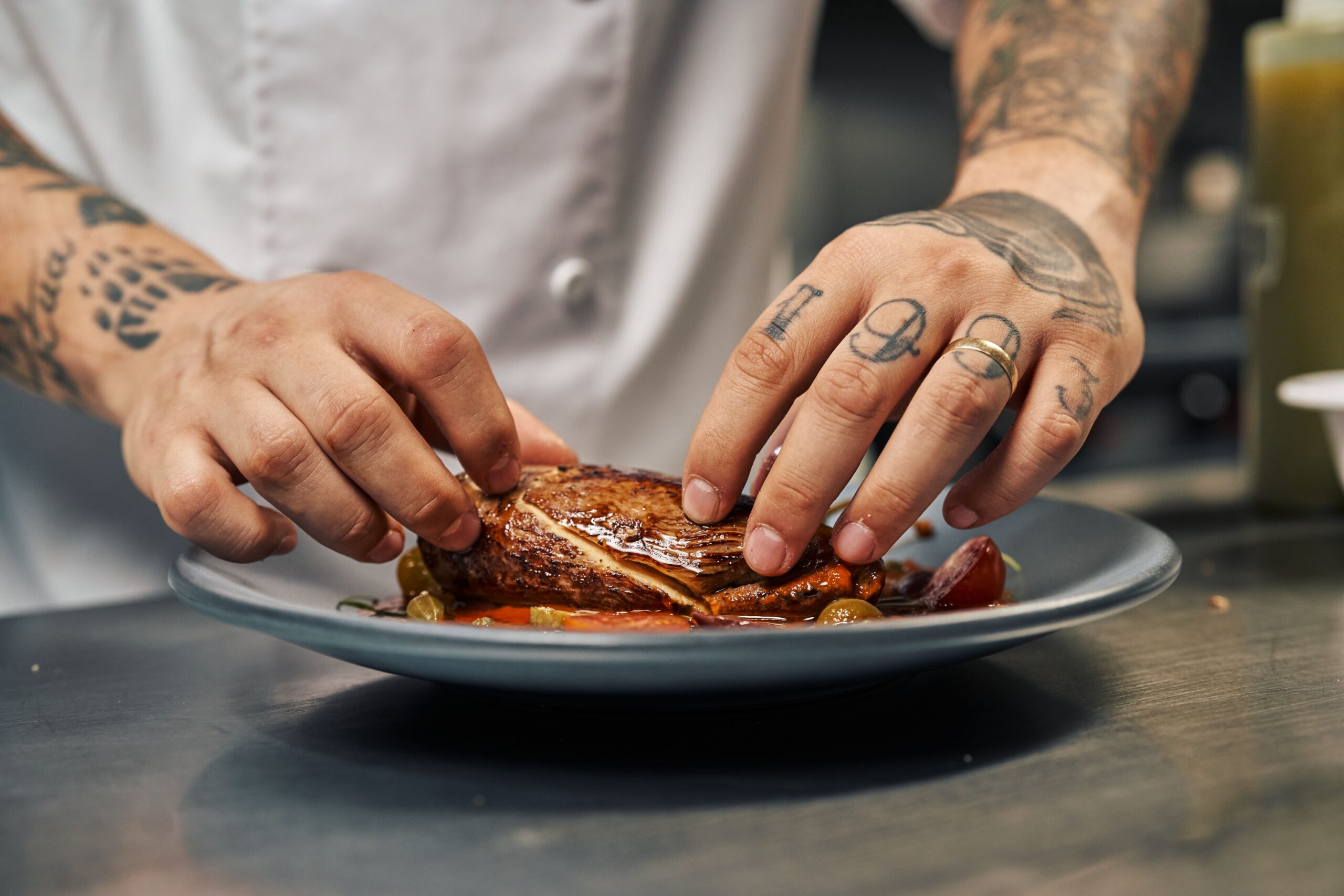
Many people believe that restaurant-quality meals can only be enjoyed at expensive dining establishments. However, with the right techniques, ingredients, and attention to detail, you can create exceptional dishes in your own kitchen that rival those served in top restaurants. Cooking at home not only saves money but also gives you complete control over ingredients, flavors, and presentation.
Restaurant-quality cooking is not necessarily about using complicated recipes or expensive equipment. Instead, it is about mastering a few essential skills, selecting high-quality ingredients, and paying attention to the details that professional chefs prioritize. Whether you are preparing a romantic dinner, entertaining guests, or simply upgrading your everyday meals, learning how to create restaurant-quality food at home can transform your cooking experience.
Start with High-Quality Ingredients
One of the biggest secrets behind restaurant-quality meals is the use of fresh, premium ingredients. Even the most skilled chef cannot create an outstanding dish with poor-quality products.
When shopping for ingredients:
- Choose fresh fruits and vegetables.
- Select high-quality cuts of meat and seafood.
- Use fresh herbs whenever possible.
- Purchase good-quality oils, butter, and spices.
- Avoid overly processed ingredients.
Fresh ingredients naturally contain more flavor, allowing your dishes to shine without requiring excessive seasoning.
Organize Your Kitchen Before Cooking
Professional chefs follow a practice known as “mise en place,” a French term meaning “everything in its place.” This involves preparing and organizing all ingredients before cooking begins.
Before starting a recipe:
- Wash and chop vegetables.
- Measure ingredients accurately.
- Prepare sauces and seasonings.
- Arrange cooking tools nearby.
This preparation reduces stress, improves efficiency, and helps prevent mistakes during the cooking process.
Master Basic Cooking Techniques
Restaurant chefs rely heavily on fundamental cooking methods rather than complicated tricks. Learning these techniques can dramatically improve your meals.
Searing
Searing creates a flavorful brown crust on meats, fish, and vegetables. To achieve a proper sear:
- Pat ingredients dry before cooking.
- Use a hot pan.
- Avoid overcrowding the pan.
- Allow food to cook undisturbed until a crust forms.
Roasting
Roasting enhances natural flavors and creates appealing textures. Vegetables, chicken, and meats develop rich caramelization when roasted at the correct temperature.
Braising
Braising involves slowly cooking food in a small amount of liquid. This technique is ideal for tougher cuts of meat, producing tender and flavorful results.
Grilling
Grilling adds smoky flavor and attractive grill marks. Proper temperature control is essential for achieving restaurant-quality grilled dishes.
Invest in Essential Kitchen Equipment
You do not need a professional kitchen to cook like a chef, but a few quality tools can make a significant difference.
Consider investing in:
- A sharp chef’s knife
- Cast iron skillet
- Heavy-bottomed saucepan
- Baking sheets
- Meat thermometer
- Cutting boards
- Stainless steel pans
Professional chefs often emphasize that a sharp knife is one of the most valuable tools in any kitchen.
Learn the Importance of Seasoning
One of the most common reasons homemade meals fall short of restaurant standards is improper seasoning.
Seasoning should occur throughout the cooking process rather than only at the end. Salt enhances natural flavors, while herbs and spices add depth and complexity.
Popular seasonings include:
- Sea salt
- Black pepper
- Garlic
- Rosemary
- Thyme
- Paprika
- Cumin
Taste your food regularly and adjust seasonings as needed.
Create Flavor Layers
Restaurant dishes often have complex flavors because chefs build multiple layers of taste.
You can achieve this by combining:
- Aromatics such as onions and garlic
- Fresh herbs
- Citrus juice
- Stocks and broths
- Wine reductions
- Butter-based sauces
Each layer contributes to the overall depth and balance of the dish.
Focus on Proper Cooking Temperatures
Temperature control is critical in professional cooking. Overcooked food loses moisture and flavor, while undercooked food may be unsafe.
Use a food thermometer when cooking:
- Chicken: 165°F (74°C)
- Beef steaks: Varies by preferred doneness
- Fish: 145°F (63°C)
Monitoring temperature ensures consistently excellent results.
Make Your Own Sauces
A well-crafted sauce can instantly elevate a meal from ordinary to extraordinary. Many restaurant dishes rely on sauces to provide richness and flavor.
Popular homemade sauces include:
- Garlic butter sauce
- Mushroom cream sauce
- Lemon herb sauce
- Tomato reduction
- Béarnaise sauce
- Peppercorn sauce
Even a simple pan sauce made from cooking juices can dramatically enhance a dish.
Plate Food Like a Professional Chef
Presentation plays a major role in how food is perceived. Restaurant chefs understand that people eat with their eyes first.
Use Appropriate Plates
Large plates with ample space make food look elegant and refined.
Create Height
Stacking ingredients slightly adds visual interest and sophistication.
Add Color Contrast
Combine ingredients with different colors to create a vibrant appearance.
Garnish Thoughtfully
Fresh herbs, citrus zest, or edible flowers can enhance presentation without overwhelming the dish.
Avoid overcrowding the plate, as simplicity often appears more professional.
Use Fresh Herbs for Finishing Touches
Fresh herbs provide aroma, color, and brightness. Professional chefs frequently add herbs just before serving.
Popular finishing herbs include:
- Parsley
- Basil
- Cilantro
- Chives
- Dill
A small amount can significantly improve the final presentation and flavor.
Balance Flavors Carefully
Exceptional meals achieve harmony among five primary taste elements:
Sweet
Found in fruits, honey, and caramelized vegetables.
Salty
Enhances natural flavors and creates balance.
Sour
Citrus juice and vinegar add freshness.
Bitter
Leafy greens and certain spices contribute complexity.
Umami
Ingredients such as mushrooms, Parmesan cheese, soy sauce, and tomatoes provide savory depth.
Understanding flavor balance helps create dishes that taste more sophisticated and complete.
Cook with Confidence and Patience
Restaurant-quality cooking requires patience. Rushing often leads to mistakes such as uneven cooking or poor flavor development.
Allow sufficient time for:
- Proper marinating
- Resting cooked meats
- Reducing sauces
- Roasting vegetables thoroughly
Many of the best dishes develop flavor gradually rather than instantly.
Prepare Restaurant-Style Appetizers
Starting a meal with an elegant appetizer sets the tone for the dining experience.
Popular options include:
- Bruschetta
- Stuffed mushrooms
- Shrimp cocktail
- Caprese salad
- Spinach dip
These dishes are simple yet impressive when prepared thoughtfully.
Elevate Side Dishes
Restaurants pay as much attention to side dishes as they do to main courses.
Consider serving:
- Garlic mashed potatoes
- Roasted asparagus
- Buttered green beans
- Wild rice pilaf
- Honey-glazed carrots
Well-prepared sides complement and enhance the main dish.
Don’t Forget Dessert
A memorable dessert completes the restaurant experience.
Popular homemade desserts include:
- Chocolate lava cake
- Cheesecake
- Tiramisu
- Crème brûlée
- Apple tart
Even simple desserts can feel luxurious when presented attractively.
Create the Right Dining Atmosphere
Part of the restaurant experience comes from the environment. Transform your dining area by:
- Using proper table settings
- Lighting candles
- Playing soft background music
- Serving food in courses
- Using cloth napkins
These details help create a special dining experience at home.
Practice Consistency
Professional chefs achieve excellence through repetition and continuous improvement. The more often you cook, the more comfortable you will become with techniques, timing, and flavor combinations.
Keep notes about:
- Successful recipes
- Ingredient adjustments
- Cooking times
- Presentation ideas
Over time, these observations will help refine your skills and produce consistently impressive meals.
Common Mistakes to Avoid
To achieve restaurant-quality results, avoid these common errors:
- Overcrowding pans
- Using dull knives
- Overcooking proteins
- Neglecting seasoning
- Ignoring presentation
- Using low-quality ingredients
- Skipping preparation steps
Eliminating these mistakes can instantly improve the quality of your cooking.
Conclusion
Creating restaurant-quality meals at home is entirely achievable with the right mindset and techniques. By focusing on fresh ingredients, mastering basic cooking methods, seasoning properly, and presenting food attractively, you can elevate ordinary meals into extraordinary dining experiences.
The secret is not expensive equipment or complicated recipes. Instead, it is attention to detail, patience, and a commitment to quality. From perfectly seared steaks and flavorful sauces to beautifully plated desserts, every element contributes to a meal that feels worthy of a fine restaurant.
As you continue practicing and experimenting in the kitchen, your confidence and skills will grow. Soon, you may find that some of your favorite restaurant-quality meals are the ones you create and enjoy in the comfort of your own home.
